
"heart blood flow"
70 article(s) found

Coffee basic knowledge drinking coffee before exercise is bad for the heart
Drinking coffee before exercise may have an adverse effect on the heart, Swiss researchers have found. This is because caffeine limits the blood flow to the heart muscle during exercise. The researchers studied 18 healthy young people. through monitoring, it was found that caffeine did not affect myocardial blood flow when not exercising, but immediately after taking caffeine tablets, myocardial blood flow was in normal gas.

Research shows that drinking coffee to protect small blood vessels is good for heart health.
A study announced at the annual meeting of the American Heart Association in Dallas shows that drinking coffee is good for heart health because it improves the function of small blood vessels. Researchers at the University of Ryukyu in Okinawa, Japan, studied 27 healthy adults aged 22 and 30 who did not drink much coffee. Participants drank a cup of caffeinated or non-caffeinated coffee. After that, it was measured by laser Doppler flow meter.

Can caffeine restore heart health?
Coffee seems to offer mysterious benefits of heart health, but doctors find it difficult to explain why.

Can caffeine in coffee restore heart health?
Coffee seems to offer mysterious benefits of heart health, but doctors find it difficult to explain why. There is now a small new study in Japan Caffeine in a cup of coffee can help your capillaries work better and relieve intense stress on your heart.
Caffeine in coffee revives heart health?
Coffee seems to offer mysterious heart health benefits, but doctors struggle to explain why.
Can caffeine in Coffee Health Coffee restore Heart Health?
Coffee seems to offer mysterious benefits of heart health, but doctors find it difficult to explain why. Now a small new study in Japan suggests that caffeine in a cup of coffee can make your microvessels work better and relieve intense stress on the heart. According to a study presented at the annual meeting of the American Heart Association, compared to decaffeinated coffee, a cup of caffeinated coffee

Coffee healthy life caffeine in coffee can restore heart health
Coffee seems to offer mysterious benefits of heart health, but doctors find it difficult to explain why. Now a small new study in Japan suggests that caffeine in a cup of coffee can make your microvessels work better and relieve intense stress on the heart. According to a study presented at the annual meeting of the American Heart Association, compared to decaffeinated coffee, a cup of caffeinated coffee
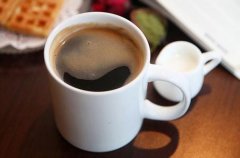
The benefits of drinking coffee to improve the function of small blood vessels
A study announced at the annual meeting of the American Heart Association in Dallas shows that drinking coffee is good for heart health because it improves the function of small blood vessels. Researchers at the University of Ryukyu in Okinawa, Japan, studied 27 healthy adults between the ages of 22 and 30 who did not drink much coffee. Participants drank a cup (5 ounces) of caffeinated or non-caffeinated coffee. And then use laser Doppler.

Can caffeine in coffee restore heart health? Coffee common sense
Coffee seems to offer mysterious benefits of heart health, but doctors find it difficult to explain why. Now a small new study in Japan suggests that caffeine in a cup of coffee can make your microvessels work better and relieve intense stress on the heart. According to a study presented at the annual meeting of the American Heart Association, compared to decaffeinated coffee, a cup of caffeinated coffee

No coffee before exercise. No coffee.
You know what? Drinking coffee before exercise may have adverse effects on the heart. Because caffeine intake before exercise limits the increase in blood flow to the heart muscle during exercise. Dr Philip Kaufmann, of the Centre for Human Physiology at Zurich University Hospital in Switzerland, used high-performance PET scans on 18 healthy young people who normally prefer coffee.
It is not suitable to drink coffee before exercise
Do you know? Drinking coffee before exercise may have an adverse effect on the heart. Because caffeine intake before exercise limits the increase in blood flow to the heart muscle during exercise. This is Dr. Philip Kaufman of the Human Physiology Center of the University of Zurich Hospital in Switzerland, targeting 18 healthy young people who usually love coffee, using high-performance PET scans.
Coffee is not suitable for healthy living before exercise.
Do you know? Drinking coffee before exercise may have an adverse effect on the heart. Because caffeine intake before exercise limits the increase in blood flow to the heart muscle during exercise. This is Dr. Philip Kaufman of the Human Physiology Center of the University of Zurich Hospital in Switzerland, targeting 18 healthy young people who usually love coffee, using high-performance PET scans.
Reminder: don't drink coffee before exercise
Researchers at the Center for Human Physiology at the University of Zurich Hospital in Switzerland have found that drinking coffee before exercise may have an adverse effect on the heart because caffeine intake before exercise limits blood flow to the heart muscle during exercise. The researchers studied 18 healthy young people. through monitoring, it was found that caffeine did not affect myocardial blood flow when not exercising, but took coffee.

Don't drink coffee before exercise
Researchers at the Center for Human Physiology at the University of Zurich Hospital in Switzerland have found that drinking coffee before exercise may have an adverse effect on the heart because caffeine intake before exercise limits blood flow to the heart muscle during exercise. The researchers studied 18 healthy young people. through monitoring, it was found that caffeine did not affect myocardial blood flow when not exercising, but took coffee.

It is not suitable to drink coffee before exercise. Basic knowledge of fine coffee
Do you know? Drinking coffee before exercise may have an adverse effect on the heart. Because caffeine intake before exercise limits the increase in blood flow to the heart muscle during exercise. This is Dr. Philip Kaufman of the Human Physiology Center of the University of Zurich Hospital in Switzerland, targeting 18 healthy young people who usually love coffee, using high-performance PET scans.

New research shows that a cup of coffee lasts for six hours
The stimulating effect of caffeine can last for six hours, a new study has found.
Coffee healthy life a cup of coffee is good for activating blood vessels
A cup of coffee is good for blood vessels, and a new study in Japan has found that just a cup of coffee can help small blood vessels act and make peripheral blood flow more smoothly. The study was presented at the 2013 academic Symposium of the American Heart Association. The research team of Okinawa Ryukyu University in Japan studied 27 healthy adults and found that drinking coffee helped to improve the ends of fingers.
Coffee is good for activating blood vessels.
A cup of coffee is good for blood vessels, and a new study in Japan has found that just a cup of coffee can help small blood vessels act and make peripheral blood flow more smoothly.

Is coffee a friend or an enemy of heart disease?
Coffee has become a necessary drink in people's daily life, not only refreshing but also health and disease prevention, but some people think that drinking more coffee is addictive and harmful to nerves and heart. So as far as heart disease is concerned, is coffee a friend or an enemy? Moderate consumption of coffee can protect the heart, improve left ventricular systolic function and coronary artery blood flow.

Is coffee an enemy or a friend of heart disease? Coffee health knowledge
Coffee has become an essential drink in people's daily life, not only can refresh but also health and disease prevention, but some people think that drinking more coffee is easy to addiction, which is harmful to nerves and hearts. Is coffee a friend or enemy in heart disease? Moderate coffee can protect the heart Moderate coffee drinking can protect the heart, improve left ventricular systolic function and coronary blood flow,